


HAH-10119
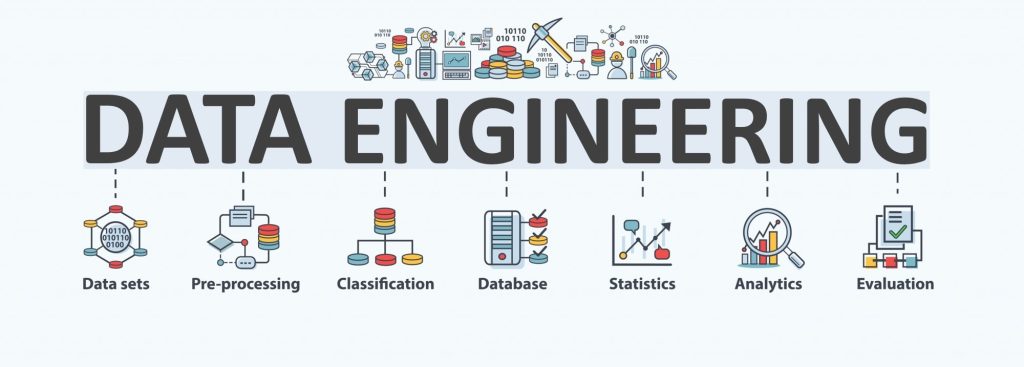
Data engineering is the practice of designing, building, and maintaining the systems (like pipelines and databases) that collect, store, process, and transform raw data into a usable format, acting as the essential foundation for data science, analytics, and AI by ensuring clean, reliable data is accessible for decision-making. Essentially, data engineers are the “plumbers” of the data world, creating the infrastructure that moves and cleans data so others can analyze it for insights, dashboards, and models.
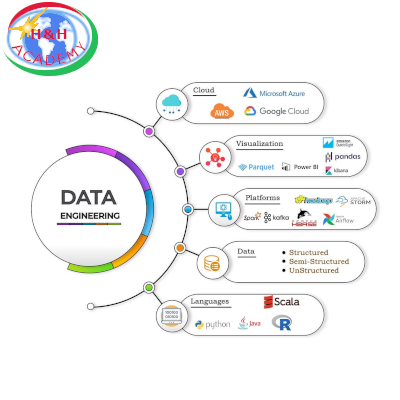
Overivew
In this course, you will learn about the fundamental concepts, methods, and strategies for Data engineering. You will gain a practical experience on how to process data through various stages of the development of Business Intelligent models to gain insight about business performance and visualize the data analytics
Prerequisites
Knowledge
Students to this class are expected to have:
- Good understanding Cloud Computing Basics or
- Basic understanding of computer operations skills :such as managing files
Technology
Depending on the delivery method of this course, the students should have :
- A Workstation with Internet browser capability such as (Chrome, Edge, or Safari)
- Good persistent internet connection without blocking firewalls(ideally non corporate firewall protected workstations)
The Labs
Labs are provided throughout the course and extended for a 1 month period, students can practice the labs for unlimited times.
Labs covered in this course:
- Lab 1: Plan a Data Engineering Project
- Lab 2: Use AWS DataSync for Data Ingestion
- Lab 3: Modeling Snowflakes Schema
- Lab 4: ETL with AWS Glue
- Lab 5: AWS Quick Sight Analytics
Objectives
Students who completed this course, should build the skills and knowledge that allows them to
-
Gain basic knowledge about BI and Analytics
-
Understand and describe Data Engineering functions and roles
-
Describe Data Collections and Data Science
-
Model Data structures
-
Understand Dimensional Data Modeling with practice
-
Describe Data Storage for BI and Analytics
-
Describe and practice Data Transformation models ETL and ELT
-
Manage and construct Data Pipeline
-
Describe the tools and practice reporting and visualizing BI and Data Analytics
Audience
This course is designed to assist and equip the students with the skills and knowledge that allows them to perfect their daily tasks with respect to Data Engineering with confidence and capitalize the organization investment on business operation reliability.
- Business analysts: to better understand how to leverage technologies to enable the business.
- Data Architects: To focus on maximizing efficiency and proficiency to develop data building blocks to fulfill the business needs
- Marketing professionals: to design better business decision and strategize products roadmap.s
- Product or project managers: to understand how to plan and track the development of BI and Analytics projects
- Executives and C-Levels: To gain insight on how to understand visual business analytics
Timeline
The Basics of Data Engineering Course is a 3 day course presented by H&H Academy, includes lectures, demos, and labs.
The following is guidelines for the instructor to organize the time pace with the students, subject to change based on students preference.
Breaks during the day follows the 106 rule, every 45-60m
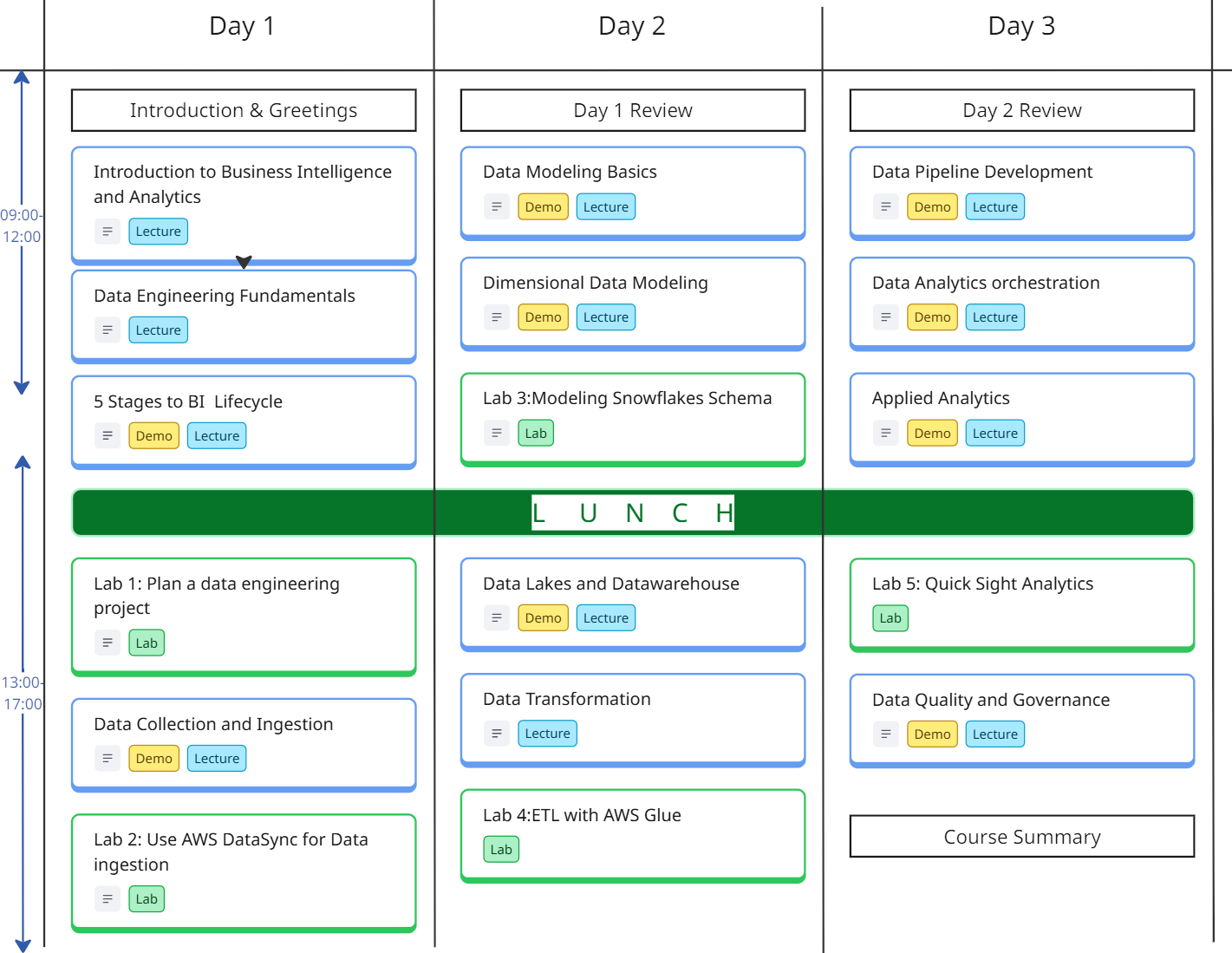
*the 106 rule, indicates the human memory capacity to learn the new factual elements which is 106 facts before the memory could be reused.





Course Curriculum
Module 1: Introducing to Business Intelligence and Analytics
- What is Business Intelligence?
- Data Mining
- What is Data Analytics?
- Business benefit of BI & Analytics
- Types of Business intelligence analysis
- BI Tools
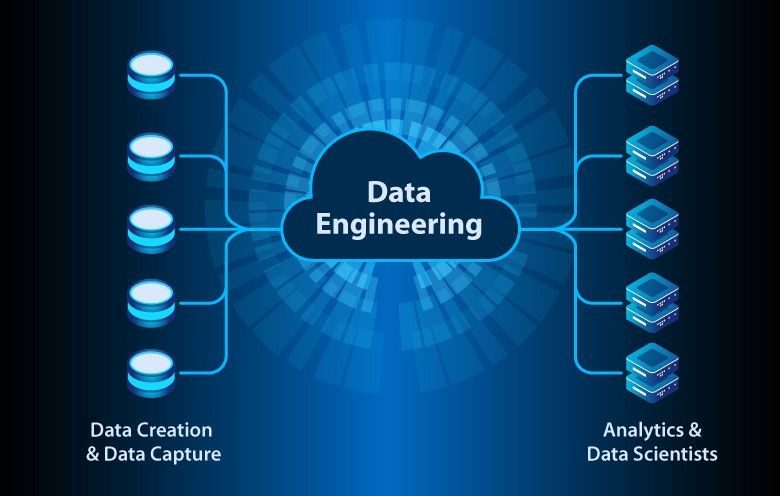
Module 2: Data Engineering fundamentals
- What is Data Engineering?
- Core Functions
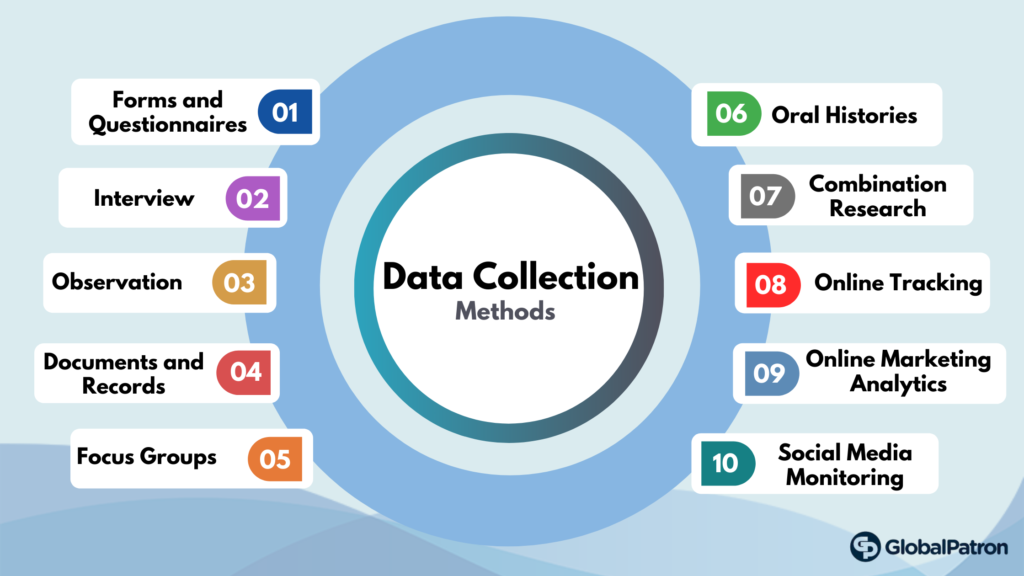
- Data Collection & Ingestion: Gathering data from diverse sources (logs, IoT, forms).
- Pipeline Development: Designing and building automated systems (pipelines) to move data.
- Transformation & Modeling: Cleaning, converting, and structuring raw data into usable formats (like data warehouses or lakehouses).
- Storage Management: Creating efficient, scalable, and reliable data storage solutions.
- Automation & Monitoring: Ensuring data flows accurately and reliably, often using tools like Airflow.
- Data Quality & Governance: Implementing methods to ensure data accuracy and compliance.
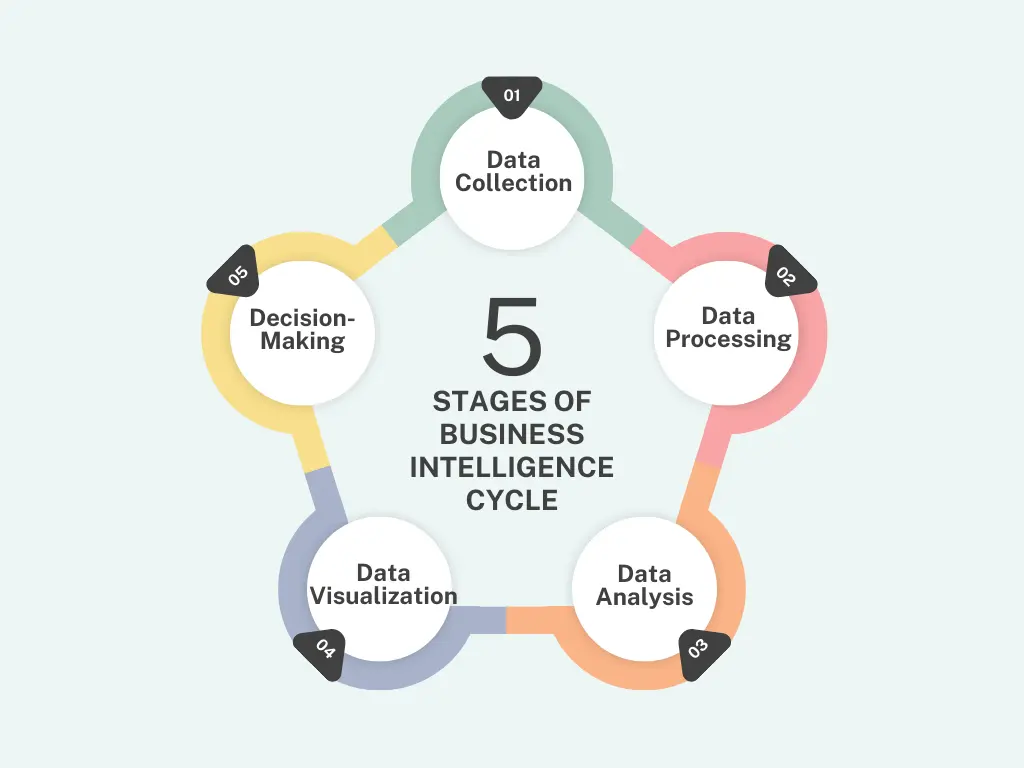
Module 3: 5-Stages to BI and Analytics
- Data Collections
- Data Processing
- Data Analysis
- Data Visualization
- Decision Making
Module 4: Data Collection and Ingestion
- Real-time streaming data
- SaaS applications
- Replicate RDBMS
- Migrate data
- Explore data
- Off Line data
- Observability data
Module 5: Data Modeling Basics
- What is Data Modeling?
- Data Modeling Abstraction Levels
- Data modeling techniques
- Simple data Modeling
- Entity-relationship data modeling
- Object-Oriented data modeling
- Dimensional data modeling
- Data modeling process
Module 6: Dimensional data models
- Overview of Dimensional data models
- Fact Tables
- Dimension Tables
- Star Schema
- Snowflake Schema
- Conformed Dimensions
Module 7: Data Lakes and Data warehouses
- Structured and non-Structured data
- OLAP vs OLTP for Big Data
- Data Lakes
- Datawarehouse
- Data Mart
Module 8: Data Transformation
- Data Migration strategies
- ETL Extract Transform Load
- ELT Extract Load Transform
Module 9: Data Pipeline Development
- Embedded Analytics
- Serverless Data Stack
- Streaming Data Stack
- ML and Data Science
- Application Health and Security Analytics
- Customer 360
- IoT
Module 10: Data Analytics Orchestration
- Continuous and extensible data processing
- The elasticity and agility of the cloud
- Isolated and independent resources for data processing
- Democratized data access and self-service management
- High availability and disaster recovery
Module 11: Data Quality and Governance
- Data Governance
- Reference Models
- Model Development standards
- Measure Analytics Performance
- Continuous Improvement
Course Wrap-up
Calendar
Scroll through the months, and chose the right schedule for you, send us a standard request form register

